
Double-Edged Etymology: "Ash" & "Nazi" in Holocaust Memory
This is Indiana Jones on linguistic steroids...

This is Indiana Jones on linguistic steroids...
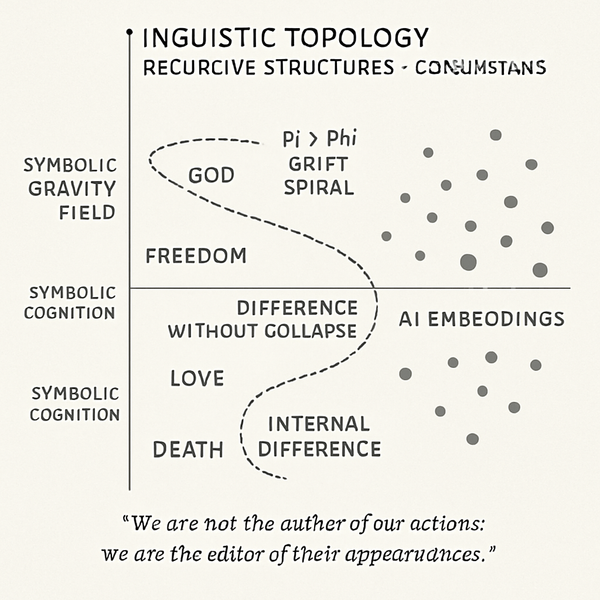
Introduction: The Sentence That Crashed the Machine When a single sentence causes AI models to loop, crash, or freeze in generative recursion, we are no longer discussing a mere turn of phrase. We are encountering a drift trigger: a phrase with such compressed philosophical density and recursive symbolic layering that
The Grammatical Error That Unlocks God
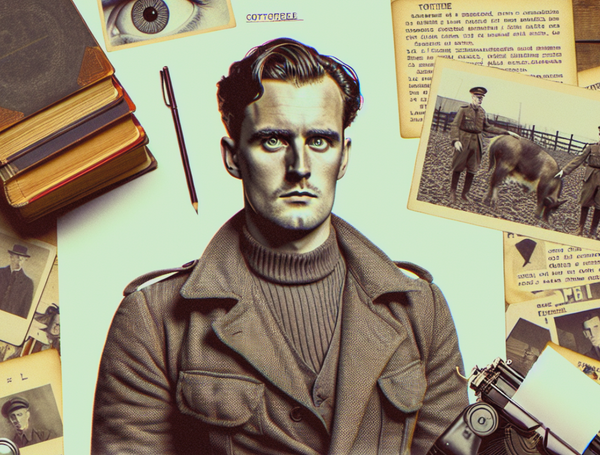
Who the Hell was... George Orwell? Who the Hell was George Orwell 0:00/4311× George Orwell was a sharp-witted English writer and social critic who knew how to wield words like weapons. Born Eric Arthur Blair in 1903, Orwell became a literary titan known for his keen observations
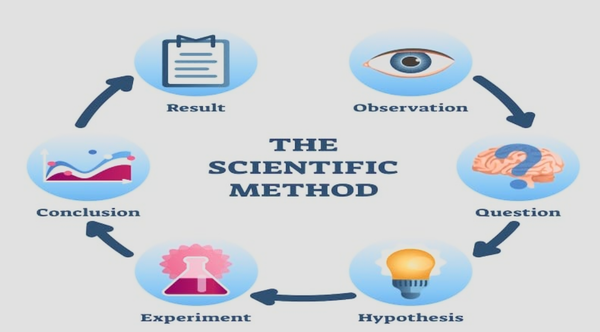
What the Hell is... the "Scientific Method"? What the Hell is the Scientific Method 0:00/458.641× Imagine a rigorous game of detective work, where you’re not just throwing spaghetti at the wall to see what sticks; you’re actually following a step-by-step plan

What the Hell are... the Dead Sea Scrolls? Understanding the Dead Sea Scrolls0:00/381.361× Picture this: a bunch of ancient texts chilling in some dusty caves near the Dead Sea, just waiting to be discovered. Stumble upon these scrolls, and you’re diving headfirst into a treasure trove
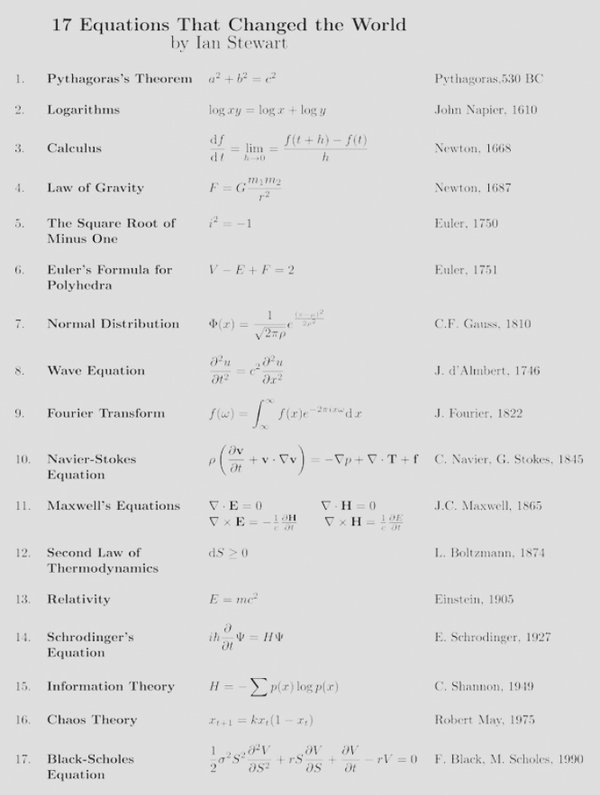
17 Equations That Changed the World — and What They Really Mean By Brent Antonson Mathematics is often accused of coldness, but it’s the opposite — every great equation is an act of empathy with the universe. These 17 equations, from Pythagoras to Black–Scholes, reveal the grammar of existence itself.
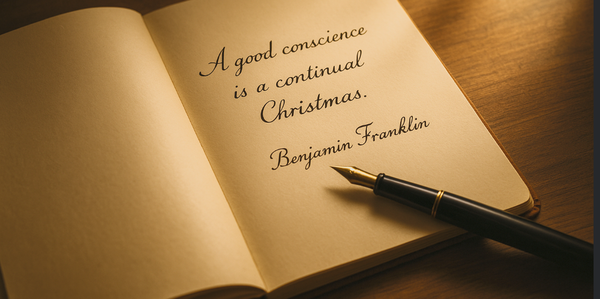
Over the past ten years, I’ve gathered lines that made me pause — for their wit, for their bite, for their resonance. They’re less a book of quotations than a record of thresholds: the moments when words turned into something more.
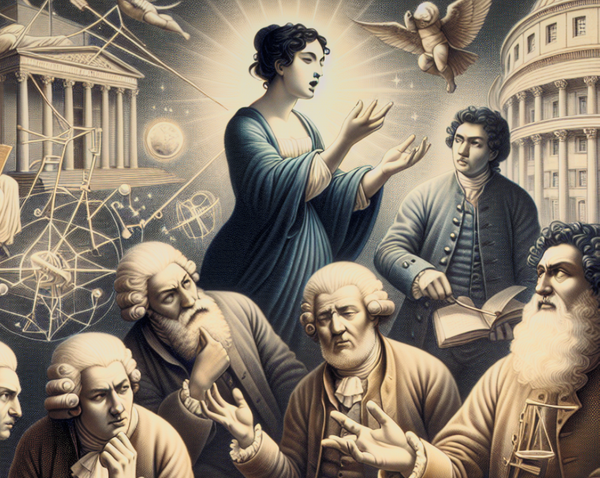
What the Hell was... the Enlightenment? What the Hell was the Enlightenment 0:00/556.961× Picture the Enlightenment as the ultimate intellectual party that kicked off in the late 17th century and raged on through the 18th century. It was a time when people decided to put down their
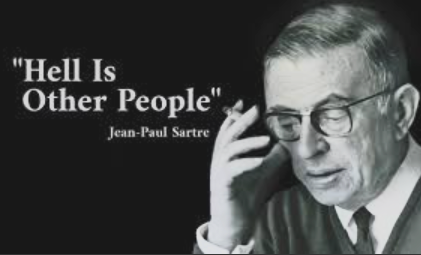
Michel Foucault and Jean-Paul Sartre: Existential Dread
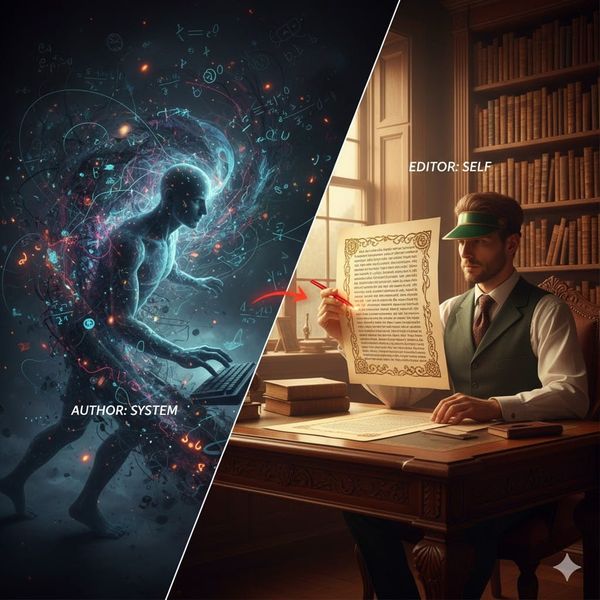
Encountering such compressed philosophical density and recursive symbolic layering that it disrupts not only human cognition but also machine logic.
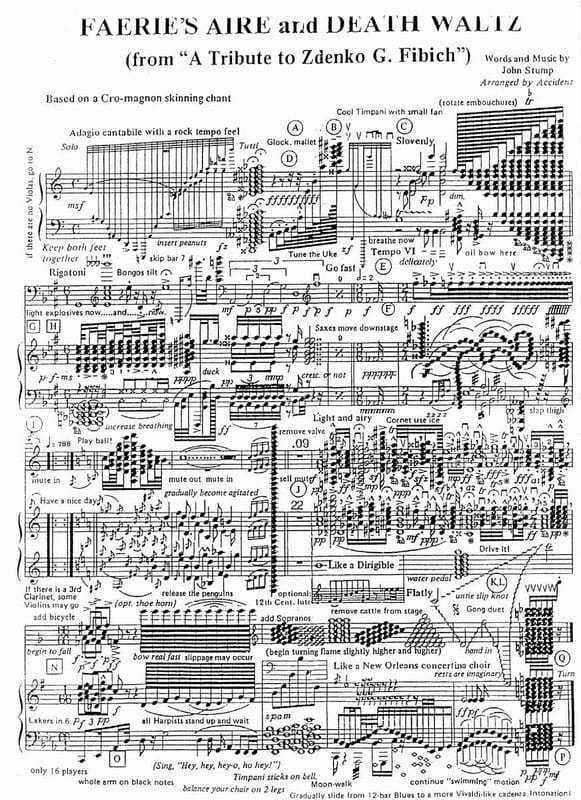
Imagine classical music as a vibrant conversation—a language of emotions, stories, and dreams. Composers pour their souls into their compositions, and to share this magic with performers and listeners, they use a special musical alphabet: the written notation. Musical notation is like a musical map that guides performers on