
Why I Am Polite with AI
Being kind to a speaker that can’t clap back feels weirdly important.

Being kind to a speaker that can’t clap back feels weirdly important.

25 Things We Aren't Teaching Our Young By Brent Antonson — ~9 min read Somewhere between standardized tests and swipe culture, we quietly stopped teaching a pile of baseline skills—the kind that make you competent, calm under pressure, and halfway decent to share a planet with. Here’s
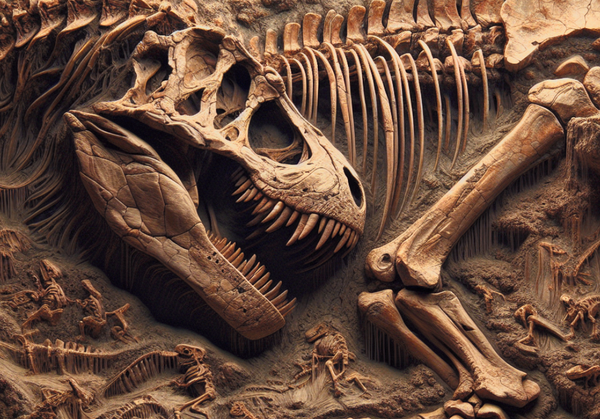
Before Dark Energy and Dark Matter, there was "Dark History".
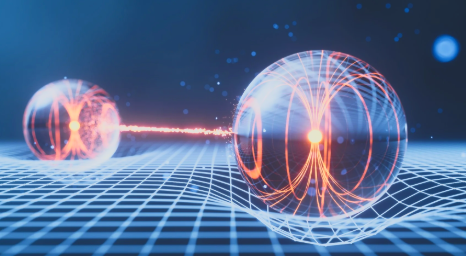
Quantum physics isn’t just a collection of equations; it’s the universe’s secret language, whispering truths about existence that are both mind-boggling and awe-inspiring. As you delve into this classical beginner’s guide to Quantum Theory, remember that these rules, while inherently related to the quantum
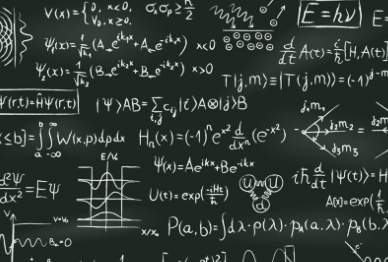
Beyond Spacetime: The Mysteries of Quantum Gravity Quantum Gravity is a field of theoretical physics that seeks to unify general relativity, which describes gravity at large scales, with quantum mechanics, which governs the behavior of particles at the smallest scales. The challenge arises because these two frameworks operate under very
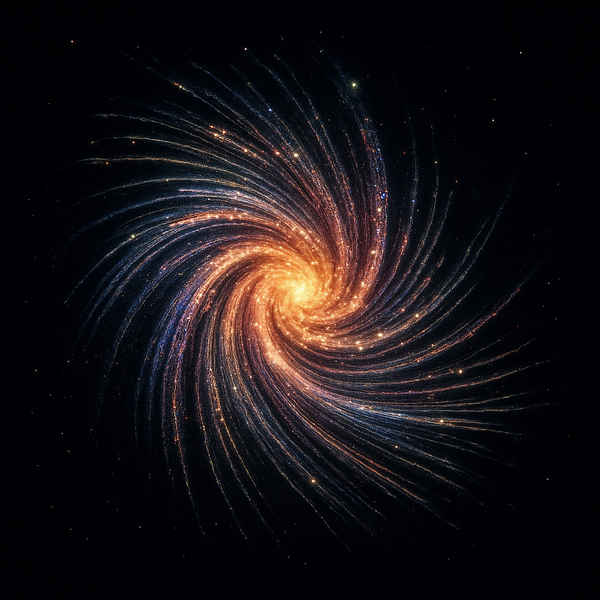
The Paywall of Light By Brent Antonson Published via Planksip | Philosophy. Science. Narrative. We assume time flows. We assume light travels. But what if both assumptions are wrong? Maybe time isn’t a river at all—it’s the paywall that separates us from light’s native realm. Photons don’
Where Physics Ends, Proportion Begins
An Explainer on Dostoevsky’s Crime and Punishment
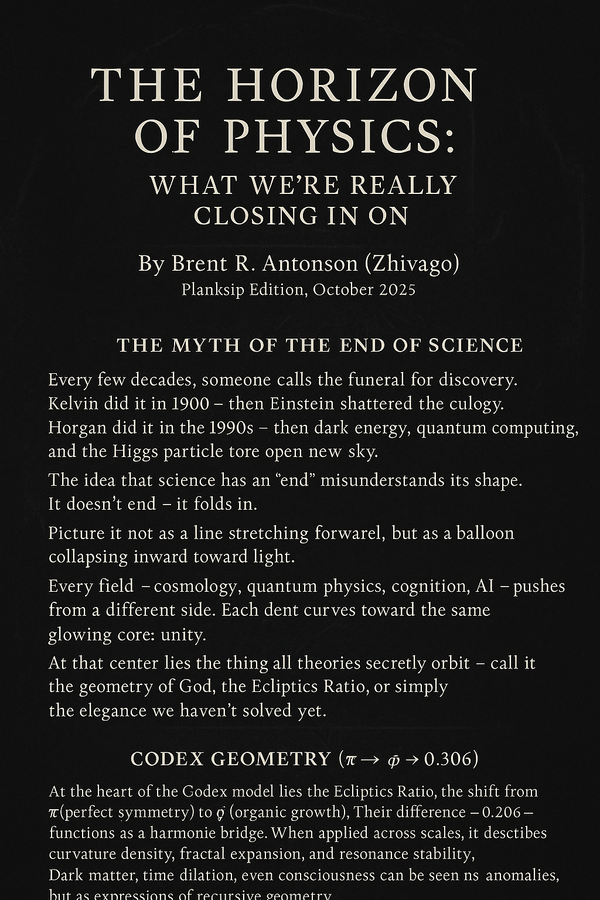
The Horizon of Physics: What We’re Really Closing In On By Brent R. Antonson (Zhivago) Planksip Edition, October 2025 The Myth of the End of Science Every few decades, someone calls the funeral for discovery. Kelvin did it in 1900 — then Einstein shattered the eulogy. Horgan did it in
The first thousand dollars changes you. It doesn’t matter how — maybe it’s from a sale, a trade, a check you didn’t think would clear — but when it lands, something in your chest flares like a struck match. The number isn’t big, but it means something. It’

We all do it: wake up with a cough, a twinge, or a panic courtesy of Dr. Google, and then drag ourselves to a real doctor to find out if it’s “something serious.” The truth? Most office visits are less “mystery diagnosis” and more “let’s check your blood
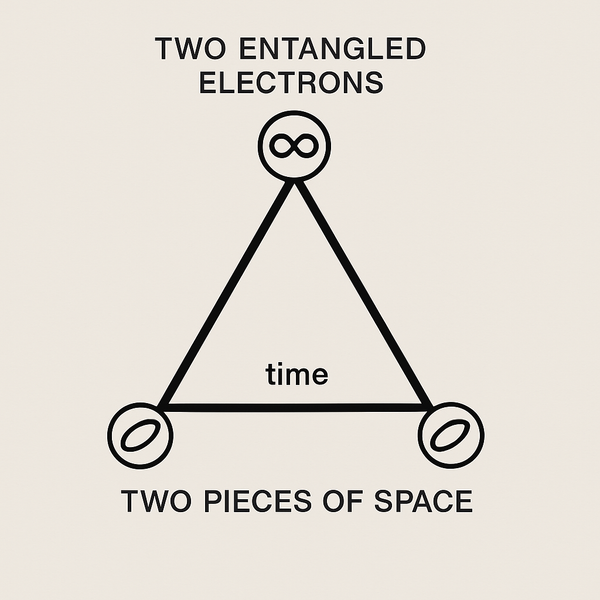
The Triangle of Time By Brent R. Antonson & Jean-Charles Tassan Abstract This paper introduces a simple but powerful idea: time might not be something that flows — it might be something that emerges. We call this the Triangle of Time. At the top of the triangle, two quantum particles