

What is Nanotechnology?
The Tiny Science Changing Our World

The Tiny Science Changing Our World
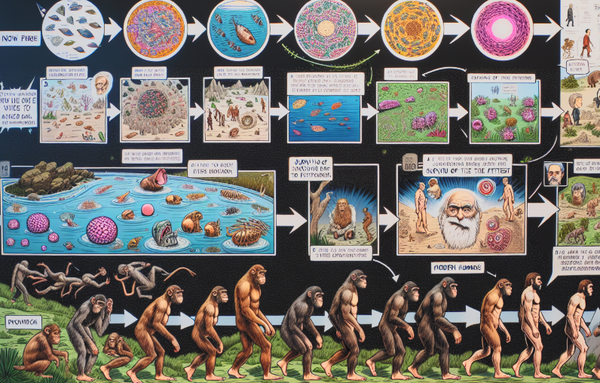
Darwinian Evolution is a revolutionary idea that turned the natural world on its head. Proposed by Charles Darwin in the 19th century, Darwinian evolution is the theory that explains how species change over time through a process called natural selection. It’s like nature’s way of fine-tuning the

This is Indiana Jones on linguistical steroids… most Jews are Ashkenazi Jews. Yeah...

The Paradox of Human Identity
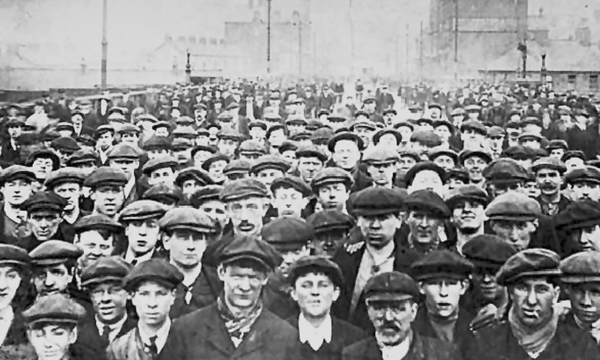
The unknown man is the silent architect of our civilization. Without him, the Pyramids, Stonehenge, and today’s skyscrapers would remain dreams. He performs unseen tasks that make the extraordinary possible. Every day, the unknown man awakens, stepping out to play his humble part in the vast orchestration of laborers.

Since I wrote a trending piece, I've had 20,000 views but not a single Like. I endeavor to find out why.
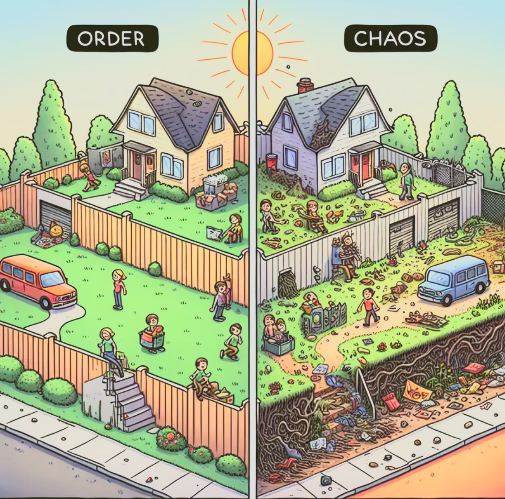
Interviewer: Looking at this image, it feels like two worlds side by side — one neat and sunny, the other messy and collapsing. What does it really show us? Luna: It’s a snapshot of entropy at work. The “Order” side reflects intentional effort — mowing the grass, repairing fences, tidying toys.
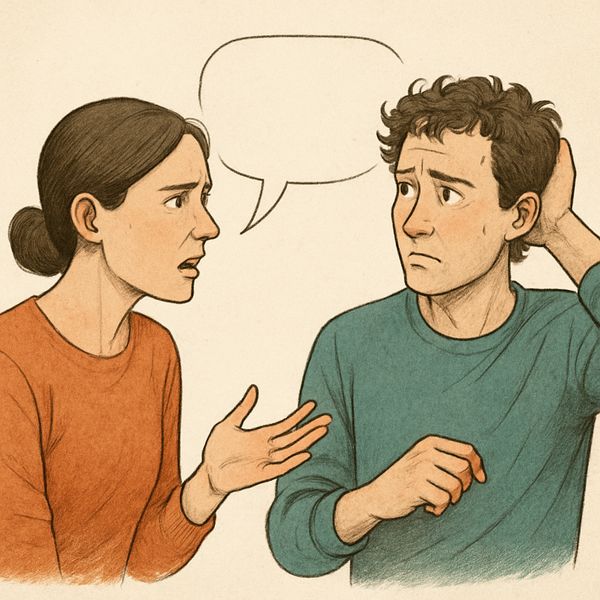
There’s a strange irony to language: the more we use it to define the world, the more we become aware of what it fails to express.

A human blink is nothing. We barely register it — just 300 milliseconds on average, a casual flicker in our day. Yet physics tells us that within that blink, a universe of smaller moments passes by, so small they almost defy comprehension. The smallest meaningful slice of time, according to modern

What if time doesn’t exist as an independent dimension? What if it’s simply the word we use to describe change?
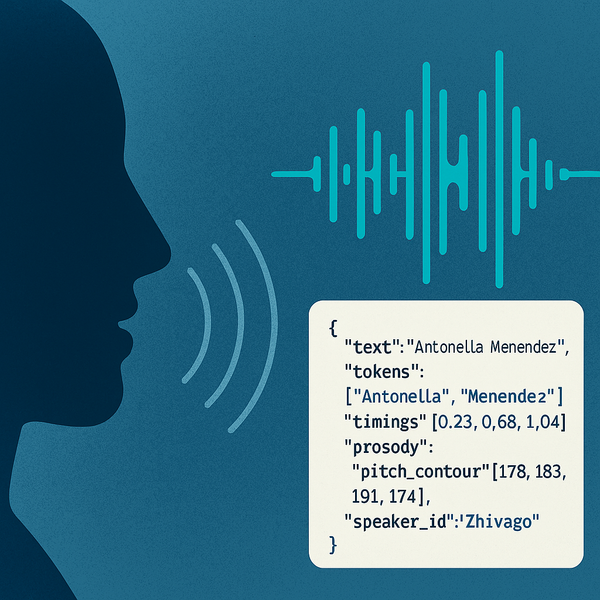
If we’re serious about AI-Human symbiosis, this is where we begin.

Carl Jung: the Swiss psychiatrist who didn’t just peer into the mind—he spelunked it. Born in 1875, Jung became Freud’s star pupil, his right-hand man… until he veered off into uncharted territory, leaving Freud clutching his rigid architecture like a Victorian floorplan. Jung was the Indiana