
The Silence that Still Speaks: gh = (h)oly (g)host
In the ghostly terrain of English phonetics, one pair of letters has haunted us for centuries: gh.
Why, in words like thought, light, night, and bought, do these letters remain when their sound has long vanished? Why didn’t the linguistic guillotine of modern efficiency slice them off centuries ago?
Most would call them vestigial. A glitch. A fossil from Middle English, or a casualty of the Great Vowel Shift — that seismic linguistic re-tuning between the 14th and 18th centuries that redefined pronunciation across Europe.
But what if gh was never just a sound? What if it was symbolic?
Let’s consider an alternate reading. A mystical one.
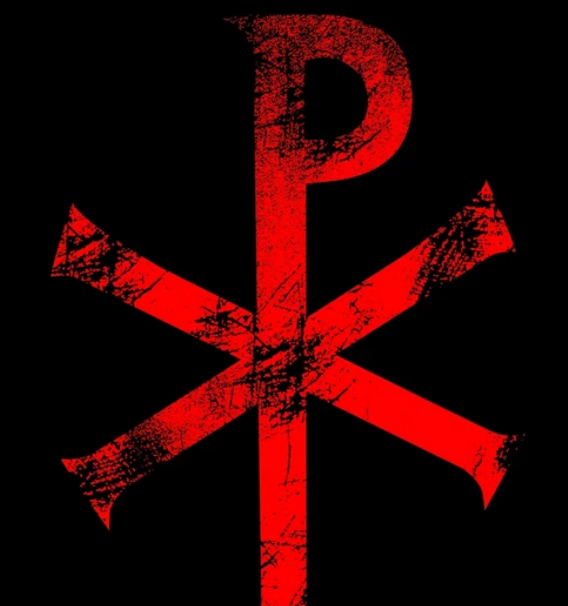
Let gh = (h)oly (g)host — a quiet emblem of the sacred breath removed.
Its presence marks where something used to be spoken.
Where once breath stirred meaning, now silence carries it.
In pre-modern England, religion was sung, not read. Latin filled the air with sacred incantation — and to speak was to chant. When the Bible came down from the altar and into the printing press, words frozen in time brought with them the shadows of sound, and the gh was one such remnant.
It is as though English remembered the gh not by sound, but by reverence.
Not as a utility, but as a ghost of divinity — a linguistic reliquary.
Think of night. It is not simply the absence of day. It is a time when the unseen stirs — when prayer deepens, when mystery returns.
And there in the word, almost invisible, is the gh — the ghost.
The breath of what was once sacred, stilled.
It makes poetic sense, doesn’t it?
In a world obsessed with optimization, we’ve forgotten the power of reverent inefficiency — of leaving space for the invisible.
So the next time you see gh, don’t dismiss it as useless.
Instead, pause.
Listen.
The (h)oly (g)host is still whispering in our words.